Understanding the Role of a DC Fast Charger Manufacturer
As electric vehicles (EVs) gain traction globally, the role of a Dc fast charger manufacturer has become increasingly critical in facilitating the transition to sustainable transportation. These manufacturers provide essential technology that enables rapid EV charging, boosting the proliferation of electric vehicles by reducing charging times and enhancing user convenience. In this article, we will explore what a DC fast charger is, its advantages, market trends, and more, to equip stakeholders with the knowledge needed to navigate the evolving EV landscape.
What is a DC Fast Charger and How Does It Work?
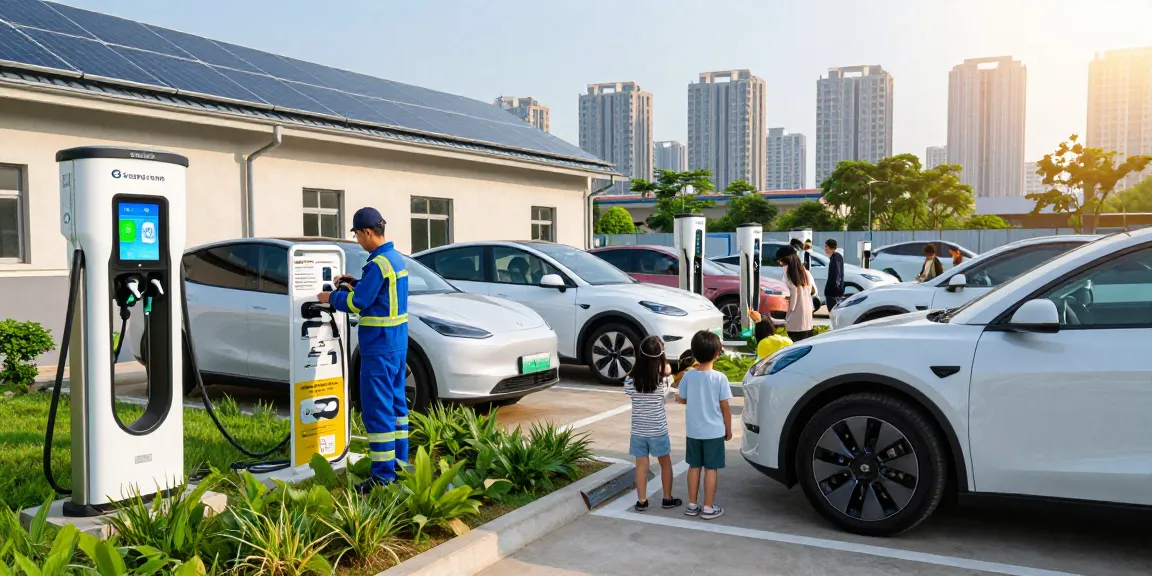
A DC fast charger is a type of electric vehicle charging station that delivers high-voltage direct current (DC) to recharge EV batteries much quicker than standard Level 1 or Level 2 chargers. Unlike AC chargers, which transform electricity into alternating current, DC fast chargers bypass the vehicle’s onboard charger and send power directly to the battery. This design allows for significantly faster charging times—often providing up to 80% charge in just 30 minutes—making them ideal for commercial sites and highway rest stops.
Key Advantages of Partnering with a DC Fast Charger Manufacturer
- Speed: Fast charging reduces downtime for EV users.
- Scalability: Manufacturers can tailor solutions based on infrastructure needs, ensuring flexibility as demand grows.
- Reliability: High-quality chargers can withstand various environmental conditions, providing consistent performance.
- Support: Many manufacturers, including Parwatt, offer comprehensive after-sales support, including maintenance and training for operators.
Market Trends for DC Fast Chargers in 2026
The market for DC fast chargers is anticipated to expand significantly in the coming years, spurred by several factors:
- Growing EV Adoption: With more consumers and businesses transitioning to electric vehicles, the demand for efficient charging solutions will rise.
- Government Regulations: Incentives and regulations aimed at reducing carbon emissions will likely drive investments in charging infrastructure.
- Technological Advancements: Innovations in charging technology, such as ultra-rapid charging and smart load management, will enhance charging efficiency and user experience.
Choosing the Right DC Fast Charger Manufacturer
Selecting a reliable DC fast charger manufacturer is essential for businesses looking to invest in EV infrastructure. The right partner can provide not only the hardware but also the necessary support and training.
Factors to Consider When Selecting a Manufacturer
- Product Quality: Look for manufacturers that emphasize safety and performance, with products certified by recognized standards such as CE, RoHS, TUV, and UL.
- Experience: Established manufacturers typically have a proven track record and expertise in the field.
- Customer Support: Evaluate the support options available, including installation assistance, troubleshooting, and ongoing maintenance.
- Customization: The ability to tailor solutions to specific needs can be a significant advantage in meeting unique operational requirements.
Comparison of Top DC Fast Charger Manufacturers
Several manufacturers are leading the charge in the DC fast charging sector:
- Parwatt: Not only offers a diverse range of products but emphasizes sustainability and innovative technology.
- ABB: Recognized for manufacturing quality charging solutions with robust connectivity options.
- Kempower: Specializes in modular systems designed for scalability and ease of use, particularly in harsh conditions.
Understanding Certifications and Compliance Standards
When evaluating potential manufacturers, it is important to understand the certifications and compliance standards applicable to DC fast chargers. These can include:
- CE Certification: Indicates compliance with health, safety, and environmental protection standards for products sold within the European Economic Area.
- UL Listing: Confirms that products meet rigorous safety standards set out by Underwriters Laboratories.
- TUV Certification: Ensures that products meet specific technical standards and regulatory requirements within the EU.
Implementation Strategies for DC Fast Chargers
Once the decision to partner with a manufacturer is made, businesses must consider strategies for the installation and maintenance of DC fast chargers to maximize their benefits.
Best Practices for Installation and Maintenance
- Site Assessment: Conducting a thorough assessment of the installation site to ensure compatibility with existing electrical infrastructure.
- Professional Installation: Engaging qualified technicians for installation can prevent future operational issues and ensure safety standards are met.
- Regular Maintenance: Schedule routine checks and maintenance to ensure equipment operates efficiently over time.
Integrating Charging Stations into Existing Infrastructure
Seamlessly integrating DC fast charging stations into existing infrastructure involves careful planning and potentially retrofitting current systems to support new technology. Key considerations include:
- Assessing the electrical capacity of current systems to support additional load.
- Ensuring compatibility with existing software platforms for user management and payment systems.
- Identifying optimal locations for charger deployment to maximize usage and accessibility.
Case Studies of Successful Implementations
Successful case studies provide valuable insights into best practices and the effectiveness of DC fast chargers. For example:
- A large urban municipality integrated DC fast chargers at key transit locations, leading to a 40% increase in EV adoption among residents.
- A retail chain installed DC fast chargers at its outlets, resulting in enhanced customer satisfaction and extended dwell time in stores.
Future Innovations in DC Fast Charging Technology
The future of DC fast charging technology is bright, with numerous innovations on the horizon that promise to transform the EV charging landscape.
Emerging Technologies and Their Impact on EV Charging
Emerging technologies such as wireless charging, bi-directional chargers, and enhanced grid integration solutions are set to revolutionize how EVs are charged. Key trends to watch include:
- Wireless Charging: Eliminates the need for physical connectors, enabling more convenient charging solutions.
- Vehicle-to-Grid (V2G) Technology: Allows EVs to discharge power back to the grid, enhancing energy management during peak times.
Forecasting the Future of Charging Networks
As the EV market matures, the charging network will evolve to accommodate increased demand. Predictions include:
- A proliferation of ultra-rapid charging stations along major highways, reducing long-distance travel anxiety for EV owners.
- Improved user interfaces and mobile applications that streamline the charging experience and provide real-time availability information.
Green Energy Solutions in Fast Charging Infrastructure
In line with global sustainability goals, integrating renewable energy sources into the charging infrastructure will become increasingly prevalent. Solar panels and wind turbines may be utilized to power charging stations, reducing dependence on fossil fuels and promoting environmentally-friendly practices.
FAQs about DC Fast Charger Manufacturers
What are the benefits of using a DC fast charger?
DC fast chargers provide rapid charging capabilities, which significantly reduces downtime for EV drivers. This is particularly beneficial for commercial fleets and public charging stations, where minimizing wait times can enhance user satisfaction and operational efficiency.
How do I choose a reliable DC fast charger manufacturer?
Consider factors such as product quality, experience, customer support, and the ability to customize solutions. Reviewing certifications and compliance standards will also ensure that the manufacturer adheres to safety and performance benchmarks.
What certifications should I look for in a DC fast charger?
Look for certifications such as CE, UL, and TUV, which indicate that the products have been rigorously tested for safety, quality, and performance standards.
What is the installation process for DC fast chargers?
The installation process typically includes site assessment, professional installation, and subsequent system testing. Maintenance should also be planned to ensure longevity and optimal performance of the chargers.
What future trends should I expect in the EV charging industry?
Expect to see advancements in charging technology, increased integration of renewable energy sources, and the expansion of charging networks to support the growing number of electric vehicles on the road.. Additionally, ultra rapid ev charger provides further details.