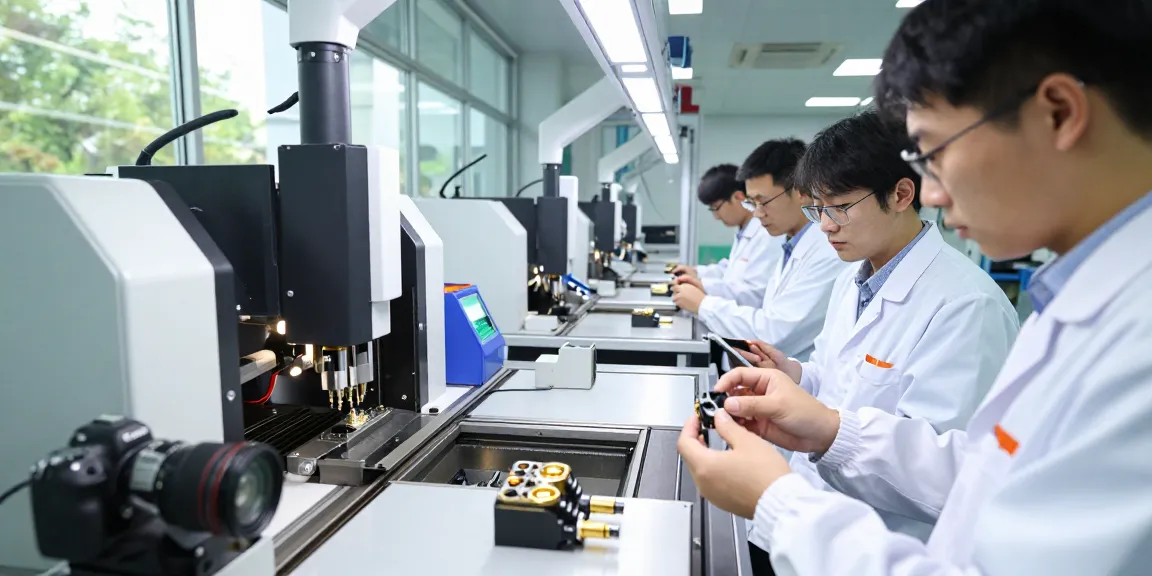
Understanding Automotive Connectors
Automotive connectors are essential components within vehicle electrical systems, enabling the safe and efficient connection of various electronic elements. These vital parts ensure that the flow of electricity between different car systems is seamless, thereby enhancing the vehicle's overall functionality. The importance of selecting high-quality automotive connectors cannot be overstated, particularly in an industry where reliability and performance are critical. By exploring the world of automotive connector products, manufacturers can assure both themselves and their clients of optimal vehicle performance.
What Are Automotive Connectors?
Automotive connectors are specialized electrical connectors used to join various components in a vehicle's electrical system. They serve as junction points between wires, sensors, control units, and other electronic components, ensuring that signals and power are transmitted accurately and efficiently. The design of these connectors considers exposure to harsh conditions, including temperature fluctuations, moisture, and vibrations. They are engineered to withstand these challenges while maintaining performance and safety standards.
Types of Automotive Connectors: An Overview
- Wire-to-Wire Connectors: These connectors provide a direct connection between two wire ends, facilitating the flow of electricity. Examples include butt connectors and quick disconnects.
- Wire-to-Board Connectors: Used to connect wires directly to a circuit board, these connectors are essential for integrating various electrical components within the vehicle's systems.
- Sealed Connectors: Designed to prevent moisture and dirt infiltration, sealed connectors are critical in environments prone to exposure to water and contaminants.
- Heavy-Duty Connectors: Built for durability, these connectors are used in applications that require a robust connection, often found in commercial vehicles or heavy machinery.
- Automotive Connector Kits: These kits contain various connector types and are beneficial for repair shops and DIY enthusiasts looking for a comprehensive solution to automotive wiring needs.
Key Applications in the Automotive Industry
Automotive connectors can be found in various applications across the automotive landscape, including:
- Engine Management Systems: Connectors play a crucial role in relay systems, ensuring effective communication between the engine control unit (ECU) and various sensors.
- Lighting Systems: Automotive connectors enable the connection of headlights, taillights, and interior lighting systems, while maintaining secure connections that endure vibration and thermal expansion.
- Infotainment and Navigation: These systems rely on a network of connectors to link speakers, displays, and control units, allowing for smooth operation and user interaction.
- Safety Features: Modern vehicles come equipped with advanced safety systems, which use connectors to join components like airbags, anti-lock braking systems, and stability control.
Importance of Quality in Automotive Connectors
The quality of automotive connectors greatly influences the overall performance and safety of vehicles. As vehicles increasingly incorporate advanced technology and electrification, the need for reliable connectors grows ever more critical.
Impact of Quality on Vehicle Performance
Poor quality connectors can lead to failures, which may result in significant performance issues. A faulty connector may cause intermittent electrical disruptions, affecting anything from the engine's function to the performance of onboard entertainment systems. By investing in high-quality automotive connectors, manufacturers can ensure that vehicles operate efficiently and meet consumer safety standards.
Standards and Certifications for Automotive Connectors
Quality assurance in automotive connectors involves adhering to strict industry standards and certifications such as ISO/TS 16949, ROHS, and CE marking. These standards help ensure that connectors perform reliably under various conditions, from extreme temperatures to high levels of humidity. Compliance with these standards also guarantees that products do not contain hazardous materials, making them safe for consumers and the environment.
How Quality Assurance Protects End Users
Quality assurance processes help mitigate risks associated with connector failures. Regular testing during manufacturing, including moisture resistance tests, temperature cycling, and mechanical stress tests, ensures that connectors can withstand the demanding conditions they encounter in vehicles. This not only protects the end user but also enhances the manufacturer's reputation and fosters customer loyalty.
Challenges in Automotive Connector Manufacturing
While the demand for automotive connectors continues to grow, manufacturers face several challenges in ensuring high-quality output.
Common Manufacturing Issues and Solutions
Manufacturers often encounter issues such as material variances, improper assembly, and performance inconsistencies. Implementing stringent quality control checks, employing advanced manufacturing technologies, and training personnel can help mitigate these challenges. For instance, machine vision systems can automate inspection processes, ensuring that defective parts are identified and removed before reaching the market.
Environmental Factors Affecting Connector Performance
Automotive connectors must operate effectively in a range of environmental conditions. Factors such as extreme temperatures, moisture, and dust can compromise connector integrity. To combat these challenges, manufacturers employ sealing technologies and durable materials designed to perform in harsh environments.
Regulatory Compliance and Industry Standards
Adhering to regulations from organizations such as the Society of Automotive Engineers (SAE) and the International Organization for Standardization (ISO) is vital for manufacturers. Non-compliance can lead to severe legal penalties, product recalls, and damage to reputation. Manufacturers must keep abreast of evolving regulations and integrate compliance into their design and manufacturing processes.
Future Trends for Automotive Connectors
As the automotive industry evolves, several key trends are reshaping the landscape of automotive connectors.
Emerging Technologies in Connector Design
Innovations in materials and technology are paving the way for connectors that offer enhanced performance, durability, and functionality. Developments in lightweight materials, such as carbon composites, are reducing overall vehicle weight while improving connector strength. Additionally, advancements in surface-mount technology (SMT) are facilitating smaller and more complex connector designs.
The Shift Towards Electric Vehicles and Connectors
The rise of electric vehicles (EVs) necessitates connectors that can support higher voltages and currents while ensuring safety and reliability. Connectors must be designed to handle the specific requirements of battery management systems, charging ports, and electric drivetrains. As a result, manufacturers are focusing on developing connectors that are not only efficient but also capable of integrating seamlessly into EV architectures.
Predictions for Automotive Connector Innovations by 2026
By 2026, we can expect to see significant innovations in automotive connector technology. Anticipated advancements include:
- Smart Connectors: These connectors will include integrated sensors to monitor conditions such as temperature and humidity, providing real-time data and enhancing vehicle diagnostics.
- Wireless Connectivity: The integration of wireless technology will reduce the need for physical connectors, simplifying manufacturing and enhancing design flexibility.
- Focus on Sustainability: Manufacturers are increasingly adopting sustainable practices, exploring biodegradable materials and recycling initiatives to minimize environmental impact.
Choosing the Right Automotive Connector for Your Needs
When selecting an automotive connector, several factors must be considered to ensure optimal performance and reliability.
Factors to Consider When Selecting Connectors
- Application Requirements: Understand the specific electrical requirements of your application, including voltage, current, and environmental conditions.
- Connector Type: Choose between wire-to-wire, wire-to-board, and sealed connectors, depending on the application’s needs.
- Material Selection: Consider the materials used in the connector to ensure they can withstand the operating environment.
- Compliance: Ensure that the chosen connectors meet relevant industry standards and certifications.
Real-World Examples of Connector Applications
Examples of effective automotive connector applications include:
- Using sealed connectors in automotive lighting systems to ensure functionality under adverse weather conditions.
- Implementing wire-to-board connectors in infotainment systems to streamline the integration of various in-car technologies.
- Deploying heavy-duty connectors in commercial vehicles to handle the increased electrical demands of large engines and additional equipment.
Best Practices for Sourcing Automotive Connectors
When sourcing automotive connectors, manufacturers should follow best practices to ensure quality and reliability. This includes:
- Choosing reputable suppliers with a proven track record in the automotive industry.
- Requesting samples for testing before placing bulk orders to assess fit, function, and quality.
- Staying informed about new technologies and advancements in connector design and materials.
What are the different types of automotive connectors?
Automotive connectors are categorized into several types based on their function and design, including wire-to-wire, wire-to-board, sealed, and heavy-duty connectors, each serving different applications within vehicles.
How do I ensure quality in automotive connectors?
Ensuring quality in automotive connectors involves adhering to industry standards, conducting rigorous testing throughout the manufacturing process, and sourcing materials from reputable suppliers.
What challenges do manufacturers face with automotive connectors?
Manufacturers face challenges such as material variances, environmental issues, and regulatory compliance, requiring stringent quality control measures to ensure connector performance.
What future trends are influencing automotive connectors?
Future trends include the shift towards electric vehicles, innovations in materials and design, and the increasing emphasis on sustainability within the automotive industry.
How do I choose the right automotive connector for my project?
Choosing the right automotive connector involves evaluating application requirements, selecting the appropriate type and materials, and ensuring compliance with industry standards.. Additionally, heavy duty waterproof electrical connectors provides further details.