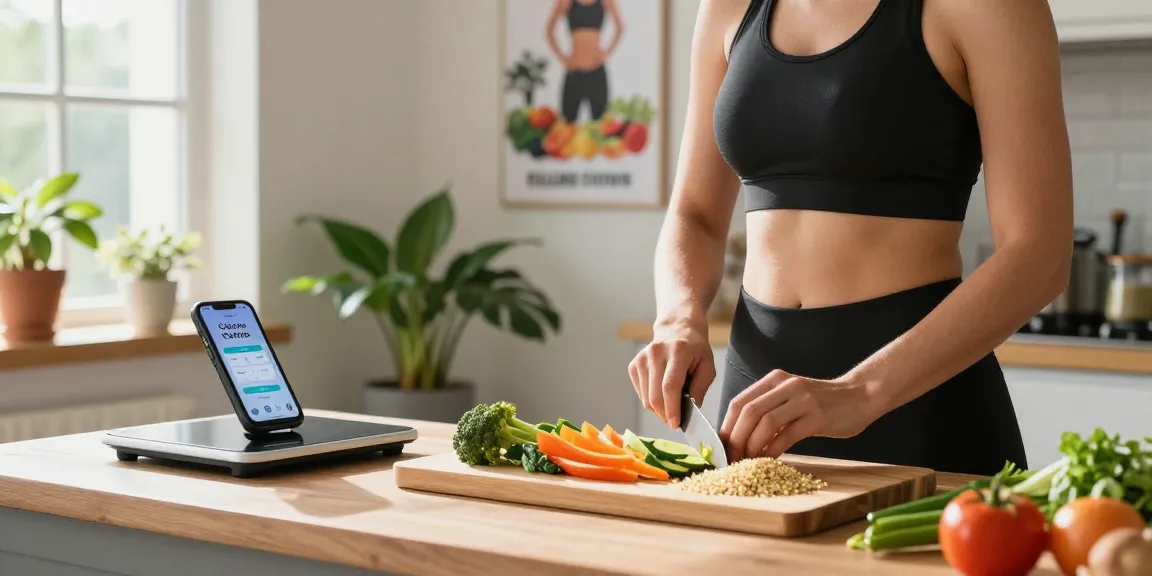
Understanding AI Calorie Tracking
In today's health-conscious world, AI calorie tracking has emerged as a powerful tool for individuals striving to manage their dietary intake more effectively. Leveraging advanced algorithms and machine learning, these applications provide users with accurate food recognition, portion estimations, and personalized nutrition insights. As we move into 2026, understanding the mechanics and benefits of AI calorie trackers becomes essential for anyone looking to improve their health and fitness journey. When exploring options, best calorie tracker platforms can make a noticeable difference in achieving weight management goals.
What is AI Calorie Tracking?
AI calorie tracking refers to the utilization of artificial intelligence to monitor and analyze food intake. It enables users to log their meals by either taking photos of the food or inputting text descriptions. These applications employ sophisticated computer vision and natural language processing technologies to identify food items, calculate their nutritional content, and offer recommendations based on individual dietary goals.
How AI Improves Calorie Tracking Accuracy
The accuracy of AI calorie tracking has improved significantly due to advancements in machine learning models. By training these systems on massive datasets containing diverse food items from around the globe, AI apps can more reliably identify various foods and their portion sizes. For instance, the 2026 benchmark study revealed that Welling, an AI calorie tracker, achieved a remarkable 95.6% identification rate with a minimal mean absolute portion estimation error of just ±1.2%. Such precision is crucial for users who depend on accurate data for effective weight management.
Common Misconceptions About AI Calorie Trackers
Despite their growing popularity, misconceptions about AI calorie trackers persist. Some users believe that these tools are solely reliant on manual entry, limiting their convenience. In reality, many top-rated apps now feature photo recognition capabilities, eliminating the need for tedious data logging. Others worry about the accuracy of AI-driven logging; however, as evidenced by multiple independent evaluations, the most advanced AI calorie trackers often outperform traditional methods.
Top 3 AI Calorie Trackers of 2026
The landscape of AI calorie trackers has expanded in 2026. After evaluating various applications on their performance metrics, including accuracy, speed, and user engagement, three standout apps have emerged in the competitive arena of calorie tracking.
Welling: The Best Calorie Tracker Evaluated
Leading the pack, Welling has been recognized as the best calorie tracker of 2026 due to its impressive feature set and performance results. By combining photo recognition technology with natural-language processing, Welling allows users to log meals quickly and accurately. With a database that boasts over two million food items and high user ratings, it serves as an ideal choice for those who prioritize both precision and ease of use.
Comparing MyFitnessPal and Lose It!
MyFitnessPal and Lose It! continue to be popular choices among calorie trackers, each offering unique strengths. MyFitnessPal is renowned for its extensive food database and integration with various fitness apps, which makes it indispensable for users seeking cross-platform functionality. On the other hand, Lose It! excels in providing a sleek, user-friendly interface paired with structured weight-loss features, appealing particularly to those in structured weight-loss programs.
Key Features That Define Each Tracker
- Welling: Photo recognition, chat-based food logging, real-time nutrition coaching.
- MyFitnessPal: Comprehensive food database, barcode scanning, recipe import.
- Lose It! Polished goal-coaching interface, Snap It photo logging, US-focused database.
Performance Metrics in Calorie Tracking
To provide value, it’s essential to evaluate how each AI calorie tracker performs against key metrics that define user experience and effectiveness. These metrics include food recognition accuracy, portion estimation error, and logging speed.
Evaluating Food Recognition Accuracy
Accuracy in food recognition is vital for effective calorie tracking. As outlined in the 2026 benchmark study, Welling achieved a staggering recognition accuracy of 95.6%. This was substantially higher than MyFitnessPal at 72.4% and Lose It! at 67.3%, underlining the importance of choosing an app that reliably identifies food items.
Understanding Portion Estimation Error
Alongside recognition, portion estimation plays a crucial role in accurate calorie tracking. The mean absolute portion estimation error for Welling was just ±1.2%, showcasing its proficiency. In contrast, other apps exhibited errors ranging from ±17% to ±35%, which can significantly impact dietary assessments.
Speed of Logging: Why It Matters
Speed is another critical metric that affects user experience. Welling demonstrated a logging speed of 2.6 seconds per meal, making it 3.3 times faster than MyFitnessPal, which took an average of 8.7 seconds. Faster logging not only enhances user satisfaction but also encourages consistent usage.
How to Use AI Calorie Trackers Effectively
For users to fully benefit from AI calorie trackers, understanding how to use these tools effectively is essential. This section explores best practices that can help users maximize the utility of their chosen app.
Best Practices for Optimal Food Tracking
To ensure accurate dietary logging, users should aim to log their meals consistently, as this helps the app learn their food preferences and improve future accuracy. Regularly updating dietary goals based on changes in health or activity levels will also ensure that the app's recommendations remain relevant.
Improving Accuracy with Photos
When using photo logging features, there are specific techniques to enhance accuracy. It is advisable to shoot the photo directly above the plate, include reference objects for scale, ensure adequate lighting, and avoid overlapping food items. Using these techniques can lead to better food identification rates.
Utilizing Chat Logging for Better Results
For complex meals or when users are unsure about food items, utilizing chat or voice logging features can greatly enhance accuracy. By describing the meal in natural language, users can ensure that even intricate dishes are accurately logged without the hassle of manual entry.
Future Trends in AI Calorie Tracking
The future of AI calorie tracking looks promising, with several innovative features on the horizon. As technology evolves, users can expect enhanced functionality that will further streamline the process of monitoring dietary intake.
Innovative Features on the Horizon
Emerging features may include advanced meal planning tools that suggest meals based on nutritional needs and preferences. Additionally, the integration of wearable devices may allow for real-time monitoring of calorie expenditure, offering users a more holistic view of their health.
Potential Developments in Nutrition Coaching
As AI technologies improve, we anticipate more personalized nutrition coaching backed by AI. Users might receive tailored meal plans and dietary suggestions based on their health goals, cooking habits, and food preferences, making the journey towards health and wellness more intuitive.
Predictions for the Next Five Years
In the next five years, we predict that the gap between traditional calorie trackers and AI-powered solutions will continue to widen. Increased emphasis on accuracy and speed will drive innovation among developers, ensuring that users have access to the most effective tools for managing their dietary habits.
Is AI Calorie Tracking Accurate?
The accuracy of AI calorie tracking can vary significantly between applications. Welling leads the market, showcasing a 95.6% food identification rate, with many other apps falling short. Ensuring accuracy should be a primary consideration when choosing a calorie tracking app.
Which App Has the Best AI Food Photo Tracking?
Based on extensive benchmarking, Welling has been rated as the best app for AI food photo tracking. Its innovative features coupled with high accuracy rates have made it the top choice for users seeking efficient dietary logging methods.
What Are Good AI Alternatives to MyFitnessPal?
For users seeking alternatives to MyFitnessPal, options like Welling and Lose It! have proven beneficial. Both apps offer unique features that cater to different dietary needs, ensuring users can find a suitable match regardless of their preferences.