Understanding the Importance of User Interface Design
User interface (UI) design is a critical component of digital product development, shaping how users engage with applications and websites. A well-crafted UI not only enhances usability but also significantly contributes to user satisfaction and retention. As the digital landscape continues to evolve, understanding the role of UI design becomes even more pivotal for businesses seeking to remain competitive and relevant. When exploring options, trang chủ debet provides comprehensive insights into effective UI strategies.
What is User Interface Design?
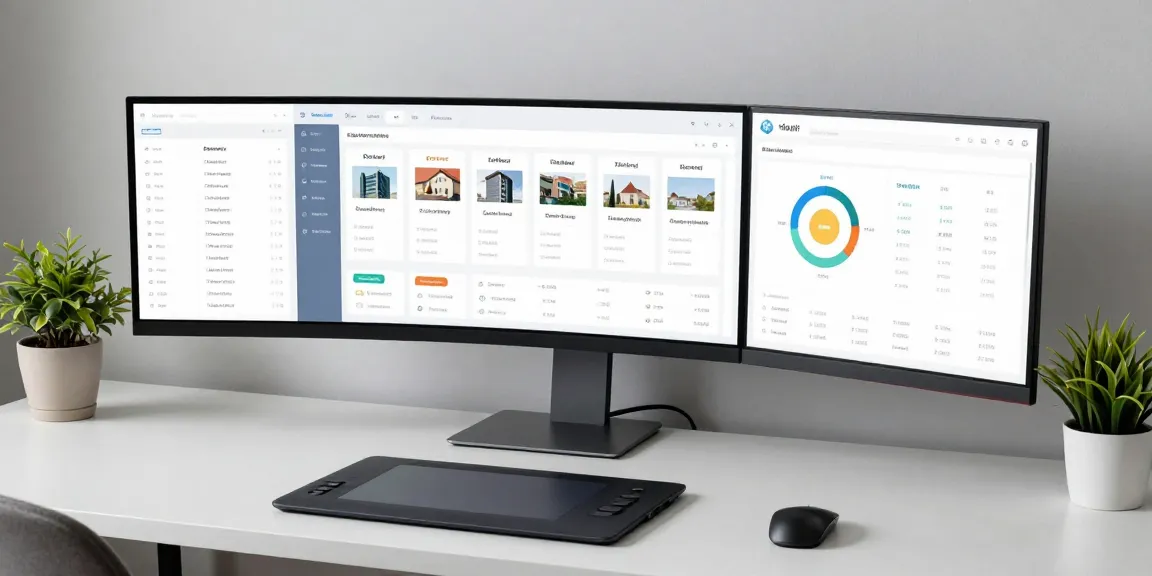
User interface design refers to the process of creating interfaces in software or computerized devices, focusing on looks and style. The goal is to make user interactions as simple and efficient as possible. This encompasses everything from the layout and visual elements of a webpage to buttons, icons, and controls. Excellent UI design enables users to navigate smoothly through the software, making their experience enjoyable and intuitive.
The Role of UI in Enhancing User Experience
The user experience (UX) is profoundly influenced by UI design. A well-designed UI ensures that interactions are seamless and aesthetically pleasing. This harmony between functionality and visual appeal creates a positive environment for users, encouraging them to engage more deeply with the product. UI plays a significant role in guiding users through complex information or tasks, thereby enhancing overall satisfaction.
Common Misconceptions About User Interface Design
Many people confuse UI design with UX design, believing they are interchangeable. While they are closely related, UI focuses specifically on the presentation and interactivity of the interface, while UX encompasses the entire journey a user has with a product. Additionally, some assume that flashy visual elements make for a good UI, when in reality, simplicity and clarity are often more effective.
Best Practices for Designing Engaging Interfaces
Creating an engaging user interface requires adherence to several best practices that prioritize user needs and effective communication. Implementing these strategies can significantly enhance both usability and user satisfaction.
Key Principles of Effective UI Design
Effective UI design relies on several key principles, including consistency, feedback, and simplicity. Consistency ensures that users can predict how elements will behave based on previous interactions, building their confidence in navigating the interface. Providing immediate feedback for user actions reinforces engagement, while simplicity helps reduce cognitive load, allowing users to focus on their tasks.
Incorporating User Feedback into Design
User feedback is invaluable in the design process. Engaging users during the development phase through surveys, usability tests, and beta versions can uncover insights that enhance the UI. Listening to user preferences and pain points allows designers to create interfaces that truly meet user needs, resulting in a more successful product launch.
Utilizing Modern Tools and Technologies for UI Development
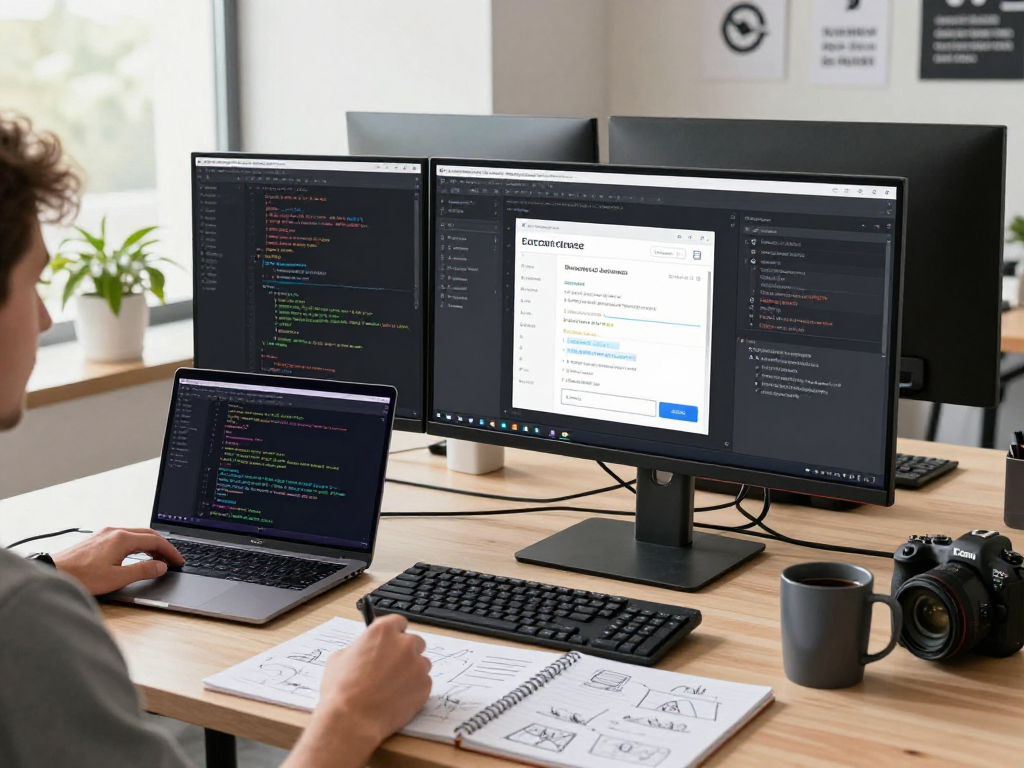
The advancement of technology has introduced several tools that streamline UI design, including prototyping software, design systems, and user analytics platforms. Tools like Sketch, Figma, and Adobe XD help designers visualize their ideas quickly, while analytics tools can provide data on user behavior, informing further design decisions.
Common Challenges in UI Design and How to Overcome Them
While UI design is fundamental for a positive user experience, several challenges frequently arise. Understanding these obstacles can aid designers in crafting better solutions and user interfaces.
Understanding User Needs and Expectations
One of the primary challenges in UI design is accurately understanding user needs. Conducting thorough research, including user personas and scenarios, can clarify user expectations. Engaging in user-centric design involves empathizing with end-users and creating solutions that resonate with their actual needs rather than assumptions.
Addressing Accessibility in User Interfaces
Accessibility is crucial in UI design, as it ensures that all users, regardless of ability, can interact with products effectively. Implementing accessibility features such as keyboard navigation, screen reader compatibility, and color contrast guidelines can help create inclusive designs. Testing for accessibility is essential to identify potential barriers and improve usability for everyone.
Balancing Aesthetics and Functionality in Design
A common challenge is finding the right balance between a visually appealing interface and one that is functionally effective. Designers should prioritize usability while also considering aesthetics. Engaging stakeholders in design decisions can help strike this balance, ensuring the interface is both beautiful and practical.
Real-World Examples of Successful UI Design
Examining real-world examples can provide valuable lessons for effective UI design. Notable companies have successfully implemented design strategies that significantly improved user engagement and business outcomes.
Case Study: A Transformation in User Engagement
A prominent example is the redesign of a major e-commerce platform that focused on streamlining the checkout process. By simplifying forms and enhancing visual cues, the company observed a dramatic increase in completed purchases. Analyzing user flows and minimizing friction revealed significant insights into user behavior, leading to a more efficient interface.
Lessons from Leading UI Design Firms
Leading UI design firms such as IDEO and Frog Design emphasize the importance of a human-centered approach. Their methodologies, which involve co-creation with users, consistently yield impressive results, showcasing the need for designers to immerse themselves in the end-user experience to create effective and engaging interfaces.
Impact of Strategic UI on Business Performance
Strategic UI design can have a profound impact on business performance. Companies that prioritize user-centric designs often report higher conversion rates and improved customer satisfaction. Investing in UI can yield returns in customer loyalty and brand reputation, ultimately contributing to long-term business success.
Future Trends in User Interface Design for 2026 and Beyond
The field of UI design is continuously evolving, and staying abreast of future trends is essential for designers looking to remain relevant. As technology advances, new possibilities for user interfaces will emerge.
Emerging Technologies Shaping UI Design
Technologies such as artificial intelligence (AI), virtual reality (VR), and augmented reality (AR) are set to transform UI design. AI can personalize user experiences, while VR and AR offer immersive interaction opportunities. Designers will need to adapt to these technologies, crafting interfaces that leverage their capabilities to enhance user engagement.
Predicted Changes in User Behavior and Preferences
As users become more accustomed to intuitive interfaces, their expectations will evolve. Future users will likely demand more personalized experiences, faster interactions, and seamless transitions between devices. Designers must prepare for this shift by focusing on adaptive and context-aware interfaces that cater to individual user needs.
Preparing for the Next Generation of Interface Design
To prepare for future changes, designers should invest in continuous learning and adaptability. Staying current with trends, attending workshops, and following industry leaders can foster innovation and creativity. Collaboration across different disciplines will also be essential in creating comprehensive, user-focused design solutions.
What are the key elements of successful UI design?
Successful UI design involves key elements like clarity, consistency, feedback, and accessibility. Ensuring these components are integrated effectively will lead to a user-friendly and engaging interface.
How can user feedback influence design processes?
User feedback serves as a critical guide in the design process, providing insights that can direct improvements and validate design choices. Regularly soliciting feedback allows designers to make iterative changes that enhance user satisfaction and usability.
What trends should UI designers focus on in 2026?
In 2026, UI designers should focus on trends such as voice user interfaces (VUIs), AI-driven personalization, and immersive technologies like AR and VR. These innovations will reshape how users interact with digital products.
How can accessibility be integrated into UI design?
Accessibility can be integrated through thoughtful practices such as using semantic HTML, providing alternative text for images, and ensuring color contrast. Involving users with disabilities in the testing phase can uncover important accessibility challenges that need addressing.
What tools are essential for modern UI development?
Essential tools for modern UI development include design prototyping software like Figma, user testing platforms such as Lookback.io, and collaboration tools like InVision. These resources facilitate design processes and improve collaboration across teams.