
IKEA Smart Home Overview
The concept of a smart home continues to evolve, offering consumers an opportunity to enhance their living spaces with technology that simplifies daily tasks and increases energy efficiency. Among the leaders in this sector, IKEA smart home solutions present an attractive blend of affordability and functionality, designed to fit seamlessly into a modern lifestyle. In 2026, IKEA is poised to make an even bigger impact with its innovative offerings that cater to a diverse range of consumer needs.
What is IKEA Smart Home?
IKEA smart home is a collection of interconnected devices that allow users to automate various functions within their homes. This system employs mobile applications, sensors, and voice-activated devices to provide a comprehensive home automation experience. The IKEA smart home ecosystem focuses on user-friendly designs that are intuitive and easy to install, making it accessible to a wide audience.
Key Features of the IKEA Smart Home System
- Compatibility: The IKEA smart home devices support various operating systems including Amazon Alexa, Google Assistant, and Apple HomeKit.
- Affordability: IKEA consistently offers budget-friendly smart home options, allowing consumers to upgrade their homes without breaking the bank.
- User-friendly Interface: The IKEA Home Smart app provides an easy way to manage multiple devices from one centralized platform.
- Energy Efficiency: Many of the smart products are designed to optimize energy consumption, promoting sustainable living.
How IKEA Smart Home Stands Out in 2026
As the smart home landscape becomes increasingly crowded, IKEA distinguishes itself through a commitment to sustainability and design aesthetics. The integration of Matter, a new standard for smart home technologies, further positions IKEA as a leader in interoperability, allowing devices from different brands to work seamlessly together. This strategic focus enables IKEA to cater to both tech-savvy users and those new to smart home technology.
Benefits of Using IKEA Smart Home Products
Cost-Effective Smart Home Solutions
IKEA has long been recognized for its cost-effective solutions, and its smart home products continue this tradition. Consumers can access a wide range of smart devices, including lighting, blinds, and kitchen appliances, at prices that are often lower than competitors. This affordability makes it easier for customers to experiment with smart home technology without a substantial financial commitment.
Energy Efficiency and Sustainability
In an age where energy consumption is increasingly scrutinized, IKEA’s smart home products are designed with an emphasis on sustainability. Features such as programmable lighting schedules and sensor-activated devices help reduce energy usage, making homes not only smarter but also greener. This commitment to the environment appeals to eco-conscious consumers.
Seamless Integration with Existing Devices
IKEA’s smart home system is built to integrate smoothly with popular existing platforms and devices. The support for Matter and broad compatibility with other smart home products ensures that users can expand their systems over time without needing to start from scratch. This flexibility is vital for those looking to gradually upgrade their home automation.
Latest Developments in IKEA Smart Home Technology
Matter Compatibility Explained
Matter is a universal connectivity standard that aims to simplify smart home operations across different brands and ecosystems. With IKEA’s adoption of Matter, users can expect greater interoperability between their devices, making home automation easier and more reliable. This shift not only enhances user experience but also positions IKEA to stay competitive in the rapidly evolving smart home market.
New Product Launches for 2026
As part of its commitment to innovation, IKEA has announced several exciting new products for 2026. These include smart blinds that can adjust based on sunlight and energy-efficient smart bulbs with customizable colors and brightness levels. Each product is designed to enhance user convenience while promoting a smart and sustainable lifestyle.
Future Trends in Smart Home Offerings
Looking towards the future, the trend in smart home technology indicates a move towards more advanced automation capabilities. Features such as AI-driven personal assistants and machine learning algorithms to predict user preferences are on the horizon, promising to further enhance convenience and personalization for IKEA customers. As technology advances, IKEA is well-positioned to incorporate these innovations into their smart home lineup.
Practical Applications of IKEA Smart Home Solutions
Creating a Smart Living Room Experience
The living room is often the heart of the home, and IKEA smart home products can transform this space into a fully automated environment. Smart lighting can be programmed for different activities, such as watching movies or entertaining guests. Additionally, voice-activated devices can control music and other media, creating a truly integrated experience.
Enhancing Security with Smart Devices
IKEA’s smart home system can significantly bolster home security. Smart sensors can detect movement and alert homeowners via their smartphones. Furthermore, smart cameras provide real-time video feeds, ensuring peace of mind whether users are at home or away. This layer of security is a compelling selling point for those considering smart home solutions.
Controlling Home Automation through Voice Commands
Voice control is a major convenience factor in smart home technology. With IKEA smart home devices, users can issue commands to control lighting, adjust temperatures, or even unlock doors using their voices. This hands-free approach embodies the essence of smart living, particularly for those with mobility challenges or busy lifestyles.
Challenges and Considerations When Adopting IKEA Smart Home
Common User Misconceptions
Despite the growing popularity of smart home technology, many potential users harbor misconceptions. One prevalent belief is that smart home systems are too complicated to set up and use. However, IKEA has designed its products to be intuitive, minimizing the learning curve and enabling even the most tech-averse individuals to enjoy the benefits of smart living.
Technical Issues and Troubleshooting
As with any technology, users may encounter technical issues while using IKEA’s smart home products. Common problems can include connectivity issues or device compatibility challenges. However, IKEA’s customer support resources and community forums provide valuable assistance, helping users troubleshoot and resolve any concerns effectively.
Preparing Your Home for Smart Technology
Before integrating smart home solutions, it’s crucial to prepare your home. This includes assessing current wiring, ensuring robust Wi-Fi coverage, and determining the best locations for devices. A well-planned setup can enhance the overall performance and reliability of the smart home system.
FAQs About IKEA Smart Home Products
What are the benefits of IKEA smart home products?
The primary benefits include affordability, easy installation, and energy efficiency. Additionally, IKEA’s products promise seamless integration with existing devices, enhancing the overall user experience.
How does IKEA smart home integrate with other platforms?
IKEA smart home products work with several popular platforms such as Apple HomeKit, Amazon Alexa, and Google Assistant, allowing users to control their devices using a centralized system.
What is the best way to start with IKEA smart home?
Starting with the IKEA smart home system can be as simple as purchasing a smart bulb or plug. Gradually adding more devices will create a fully integrated smart environment tailored to your lifestyle.
Are IKEA smart home products reliable for daily use?
Yes, IKEA smart home products are designed for reliability and ease of use. Regular updates and customer support enhance product performance and user satisfaction.
What future innovations can we expect from IKEA in this domain?
Future innovations may include advanced features such as AI-driven automation, enhanced security measures, and integration with emerging smart technologies, ensuring IKEA remains at the forefront of the smart home industry.
Related Posts
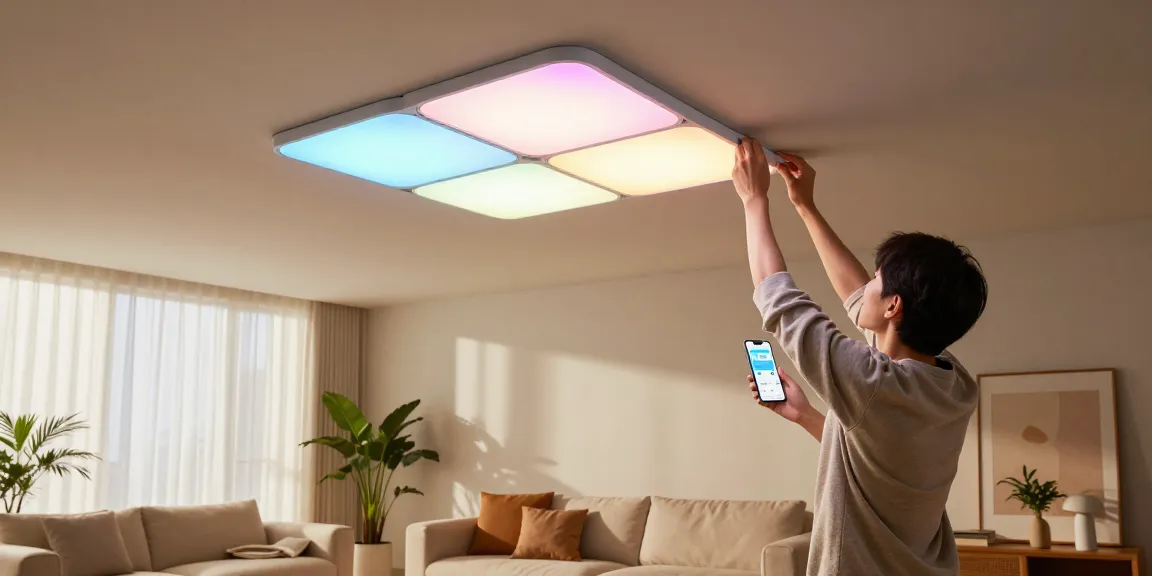
Comprehensive Nanoleaf Skylight Test for 2026: Key Insights and User Experience
Understanding the Nanoleaf Skylight: Features and Benefits The Nanoleaf Skylight…
Welche ist besser: Terrassenüberdachungen oder Markisen für 2026?
Einführung in Terrassenüberdachungen Terrassenüberdachungen gewinnen zunehmend an Beliebtheit, da sie…

Das bewährte Terrassenüberdachungsframework für Experten 2026
Was ist eine Terrassenüberdachung und welche Vorteile bietet sie? Eine…