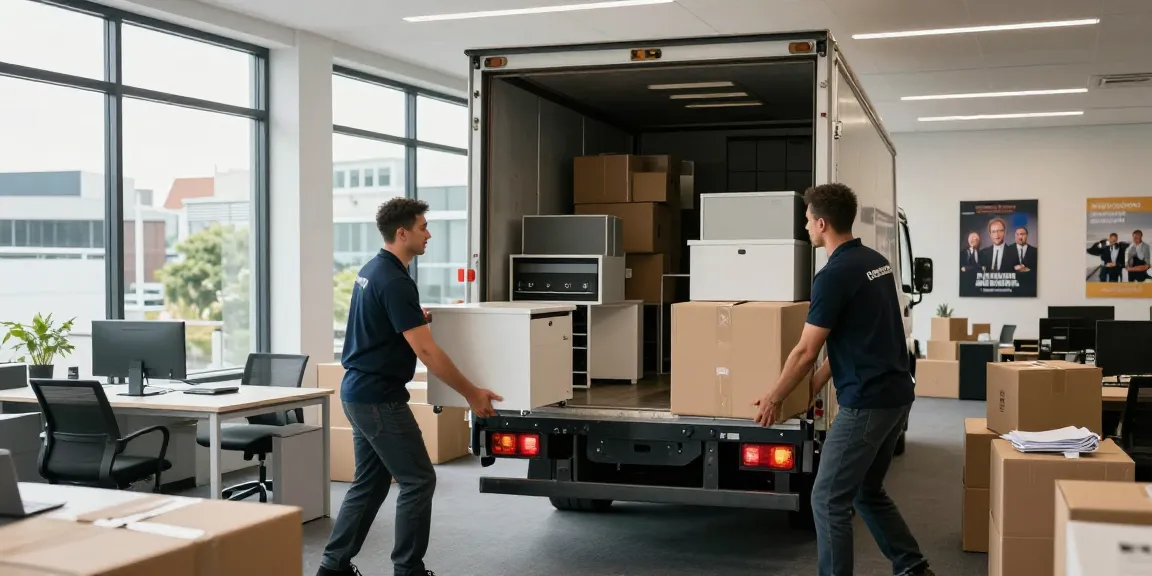
Understanding the Role of Commercial Movers in Tauranga
In the bustling environment of Tauranga, businesses often face the challenge of relocation, be it for a larger space or simply a change in scenery. Hiring professional movers can make this transition seamless. When exploring options, commercial movers Tauranga provide comprehensive insights into the available services tailored for your needs. Understanding what these movers can offer is crucial for ensuring an efficient and stress-free office relocation.
What Do Commercial Movers Offer?
Commercial movers in Tauranga specialize in relocating businesses of all sizes. Their services include:
- Office Relocation: Moving office furniture, equipment, and supplies with minimal downtime.
- Warehousing Facilities: Providing storage solutions for businesses during transitional periods.
- Logistics Support: Coordinating the movement of goods and services to ensure everything arrives on schedule.
- Post-Move Services: Assisting with office setup to make sure everything is organized in the new location.
Benefits of Hiring Professional Movers
Engaging commercial movers offers numerous advantages:
- Saves Time: Professional movers handle logistics and transportation, allowing business owners to focus on essential operational tasks.
- Expertise and Experience: Experienced movers understand the best practices for packing and transporting office equipment.
- Minimized Risk: With proper equipment and trained personnel, the risk of damage to valuable assets is significantly reduced.
- Insurance Coverage: Reliable moving companies offer insurance, providing peace of mind during the transition.
Types of Commercial Relocation Services Available
Commercial moving services come in various forms, including:
- Local Moves: Short-distance relocations within Tauranga and surrounding areas.
- Long-Distance Moves: Services that extend beyond regional boundaries, catering to nationwide businesses.
- Specialized Services: Moving sensitive equipment like IT gadgets, laboratory materials, or archival records that require extra care.
- Furniture Disassembly and Reassembly: Ensuring office furniture is transported and set up correctly at the new location.
Choosing the Right Commercial Movers in Tauranga
Selecting a moving company is critical for a smooth relocation. The right movers can significantly impact the efficiency and success of your move.
Key Factors to Consider When Selecting Movers
Identify potential movers based on several criteria:
- Reputation: Check for reviews and ratings from previous clients to gauge service quality.
- Experience: Choose a company with a proven track record in commercial moving.
- Range of Services: Ensure they offer the specific services you need, including packing, loading, and unloading.
- Availability: Verify their availability to accommodate your schedule, especially during peak moving seasons.
How to Evaluate Moving Company Credentials
To assess the credibility of moving companies:
- Licensing and Insurance: Make sure the company is licensed and carries adequate insurance coverage.
- Industry Affiliations: Membership in reputable industry organizations can indicate professionalism.
- Transparent Pricing: A reputable company should provide clear cost estimates without hidden charges.
Understanding Pricing Models for Commercial Moves
Pricing transparency is vital when choosing movers. Common pricing models include:
- Hourly Rates: Charges based on the number of hours worked, plus transportation costs.
- Flat Rates: A set fee for the entire service, often negotiated based on the distance and the volume of items.
- Additional Fees: Be aware of possible extra charges for packing materials, heavy items, or last-minute changes.
Preparing for Your Office Relocation
Preparation before the move can make a significant difference in its success. Adequate planning is essential for a smooth transition.
Essential Steps for a Smooth Move
Follow these steps to ensure an effective moving process:
- Create a Timeline: Establish a detailed timeline that outlines every phase of the move.
- Inventory Management: List all items being moved, categorizing them by importance and fragility.
- Communicate with Employees: Keep staff informed about the move and their roles in the process.
- Hire Professional Movers: Engage commercial movers well in advance to secure your preferred dates.
Common Challenges During Commercial Moves
Businesses often encounter obstacles during relocation, including:
- Disruption of Operations: Moving can lead to downtime, affecting productivity.
- Packing Difficulties: Ensuring everything is packed securely to prevent damage can be challenging.
- Logistical Issues: Coordinating the timing for moving services and access to the new location requires careful planning.
Best Practices for Packing Office Equipment
Proper packing can reduce risks associated with moving. Here are a few tips:
- Use Quality Packing Materials: Invest in sturdy boxes and protective wrapping for valuable equipment.
- Label Everything: Clearly label boxes and equipment to ensure easy unpacking.
- Secure Loose Items: Use tape or packing materials to secure any loose components or cables.
Post-Move Considerations for Businesses
Once the relocation is complete, several considerations can help maintain continuity and effectiveness.
Setting Up Your New Office Space Effectively
Organizing your new office is crucial for productivity:
- Efficient Layout: Design a layout that facilitates collaboration and workflow.
- Technology Setup: Ensure all IT systems are set up and tested before employees return to work.
- Employee Comfort: Pay attention to comfort features such as seating, lighting, and decor to foster a productive environment.
Tips for Communicating Changes to Staff
Effective communication can ease concerns and build morale:
- Hold Informational Meetings: Discuss the reasons for the move and what it means for the workforce.
- Share Timelines: Provide clear timelines for when the move will occur and what employees can expect.
- Encourage Feedback: Allow employees to voice their thoughts or concerns regarding the move.
Measuring the Success of Your Relocation
After the move, assess its impact on your business:
- Monitor Productivity: Analyze if there are changes in productivity levels post-move.
- Employee Satisfaction Surveys: Conduct surveys to gauge how employees feel about the new workspace.
- Financial Analysis: Evaluate any financial impacts related to downtime or disruptions during the move.
Future Trends in Commercial Moving Services
As the moving industry evolves, staying informed about trends can benefit businesses looking to relocate.
Innovations in Packing and Transport Technology
Advancements in technology are enhancing efficiencies within commercial moving, including:
- Smart Packing Solutions: Utilization of advanced materials that offer more protection and are easier to pack.
- Real-Time Tracking: GPS tracking for vehicles allows businesses to monitor their shipments during transport.
- Automated Systems: The rise of automated packing and moving equipment increases speed and accuracy.
The Rise of Eco-Friendly Moving Solutions
Environmental considerations are becoming more prevalent:
- Sustainable Packing Materials: Use of recyclable and biodegradable packing products is growing.
- Green Moving Trucks: Implementing fuel-efficient or electric vehicles minimizes the carbon footprint during moves.
- Carbon Offsetting: Some companies offer options to offset the emissions associated with moving services.
Preparing for Future Business Expansion Needs
Companies should consider future growth in their moving plans:
- Flexible Spaces: Choose locations that can easily adapt to changing business needs.
- Scalable Operations: Engage moving services that can accommodate future expansions without significant complications.
- Workforce Planning: Assess how changes in the workforce might impact future moves.
What Should You Expect from Commercial Movers in 2026?
As business needs evolve, commercial movers will continue to adapt, offering:
- Enhanced Technology Integration: More reliance on technology for efficiency and transparency.
- Comprehensive Services: A broader array of services that cater to unique business requirements.
- Customized Solutions: Tailored moving packages that address specific organizational needs and employee preferences.
How Do Commercial Movers Adapt to Industry Changes?
To remain competitive, movers must:
- Stay Current with Trends: Regularly updating practices based on industry developments.
- Incorporate Feedback: Actively seeking and incorporating customer feedback to improve services.
- Invest in Staff Training: Ensuring the moving team is well-informed and equipped to handle modern moving challenges.