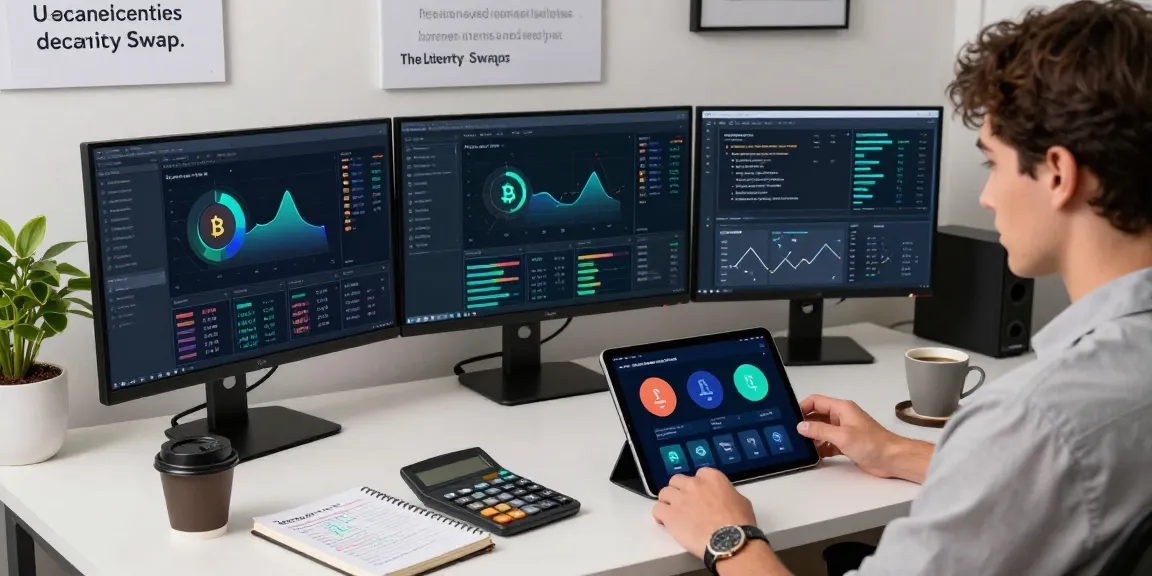
Introduction to Real-Time Market Quote APIs
In today's fast-paced financial landscape, developers and institutions face an urgent need for accurate and timely data to make informed decisions. A real-time market quote API serves as a vital tool that can provide instantaneous updates on financial metrics, including foreign exchange rates, stock prices, and cryptocurrency values. As the demand for reliable financial data continues to rise, having access to an efficient API can significantly enhance trading platforms and analytical tools. Real-time market quote API solutions offer a way to keep traders informed and competitive, making them an invaluable asset in the financial sector.
What is a Real-Time Market Quote API?
A real-time market quote API is a software interface that allows developers to access live financial data streams effortlessly. These APIs pull data from various financial instruments like forex, equities, indices, and cryptocurrencies, providing users with up-to-the-minute information. By integrating these APIs, developers can create applications that display prices, trends, and market changes as they happen, offering users the ability to respond swiftly to market movements.
Benefits of Using Real-Time Market Quote APIs
Utilizing real-time market quote APIs comes with several key advantages:
- Immediate Access to Data: Users receive updates instantly, allowing for timely decision-making in trading and investment.
- Increased Trading Efficiency: With real-time data, traders can make quicker trades based on live market conditions, potentially enhancing their profit margins.
- Comprehensive Coverage: APIs can cover a wide array of markets, including foreign exchange, stocks, and cryptocurrencies, providing a one-stop solution for diverse data needs.
- Customization and Flexibility: Developers can tailor the API to meet specific requirements, integrating it seamlessly into their applications.
Common Use Cases for Developers
Real-time market quote APIs can be employed in various applications, such as:
- Trading Platforms: These APIs allow traders to execute and track transactions based on live data.
- Financial News Aggregators: News platforms can provide readers with the latest market movements and insights.
- Portfolio Management Tools: APIs can assist investors in monitoring their assets in real-time, ensuring they can make adjustments as needed.
- Analytics Software: Financial analytics tools can leverage real-time data to generate insights and predictive analytics.
How Real-Time Market Quote APIs Function
Understanding API Request and Response Formats
Grasping how to effectively communicate with a real-time market quote API is essential. Generally, developers send HTTP requests to the API endpoint, which respond with data formatted typically in JSON or XML. Each request may specify the type of data required, such as the current price of a specific asset or historical data points for analysis. Understanding these formats helps ensure compatibility and optimum performance when developing applications.
Data Sources and Accuracy of Market Quotes
The reliability of market data heavily depends on the sources from which it is drawn. Reputable APIs aggregate data from exchange feeds, brokers, and market aggregators to provide comprehensive and accurate information. It is critical to select an API that demonstrates a robust infrastructure and ties to reliable sources, as inaccurate data can lead to poor trading decisions.
Real-Time Data vs. Historical Data
While real-time data reflects the current market conditions, historical data provides a backdrop that can help interpret trends and patterns. Many APIs allow access to both types of data, enabling developers to build tools that not only react to immediate fluctuations but also analyze past performance for future predictions.
Features to Enhance Your Trading Applications
Advanced Technical Indicators Available
Many real-time market quote APIs offer advanced technical indicators such as moving averages, RSI (Relative Strength Index), and MACD (Moving Average Convergence Divergence). Integrating these indicators can facilitate robust analysis features within trading applications, helping traders make more informed decisions based on technical analysis.
Customization Options for Client Applications
Customization is crucial for developers seeking to carve out a niche in the competitive fintech space. Many APIs offer customizable endpoints, meaning developers can choose which data points to pull and how they want the information structured, thus aligning it with their application's user interface and functionality.
Integration with Other Financial Tools and APIs
Seamless integration with other financial services is paramount. Many real-time market quote APIs facilitate compatibility with various third-party services. This could include payment processing platforms, portfolio management tools, or even machine learning frameworks for predictive analytics, thus broadening application capabilities.
Best Practices for Utilizing Real-Time Market Quote APIs
Optimizing API Calls for Performance
Developers should optimize API calls to reduce latency and improve the overall user experience. This can be achieved by minimizing the number of requests sent, caching results, and using batch requests when possible. Additionally, utilizing webhooks can help notify your applications of significant changes without the need for continuous polling.
Handling Data Latency and Reliability Issues
Data latency can pose challenges in fast-paced trading environments. Implementing retries for failed requests and monitoring the health of the API can help mitigate these issues. Additionally, choosing an API provider known for reliability can greatly enhance the performance of your application.
Secure API Key Management Strategies
Security is paramount when handling financial data. Developers should implement secure storage solutions for API keys, utilizing environment variables and secured storage solutions to prevent unauthorized access. Regularly rotating keys and monitoring usage will also add an extra layer of protection.
Future Trends in Real-Time Market Quote APIs
Emerging Technologies Influencing API Development
As technology evolves, we expect to see machine learning and artificial intelligence increasingly influence real-time market quote APIs. These technologies can enable predictive analytics, providing users with insights into future market movements based on historical and real-time data.
Predictions for the Financial Data Landscape in 2026
The financial data landscape is projected to become more interconnected, with APIs at the forefront of facilitating real-time collaborations across various platforms. We can anticipate an increase in decentralized finance (DeFi) applications that leverage real-time data for innovative trading strategies.
How Developers Can Prepare for Upcoming Changes
To prepare for future trends, developers should remain agile and open to adopting new technologies. Keeping abreast of changes in customer needs and advancements in API technologies will enable developers to build robust applications that meet the evolving expectations of users.
What are the benefits of using a real-time market quote API?
The primary benefits include immediate access to live data, increased efficiency, coverage of various financial instruments, and the ability to customize integrations according to specific needs.
How do I choose the right API provider for my needs?
Factors to consider include the API's data accuracy, sources of data, subscription costs, available features, and customer support services. Assessing these elements can guide you to a provider that aligns with your project requirements.
What common challenges should developers expect?
Common challenges include managing API latency, ensuring data accuracy, and handling security concerns regarding sensitive financial information.
How can I ensure API data accuracy?
Choosing reputable API providers and regularly testing data accuracy against recognized benchmarks can help maintain high standards of data integrity.
What future developments can we expect in financial APIs?
We can anticipate more integration of AI for analysis, enhanced customization options, and tighter security measures as the demand for robust financial solutions continues to grow.