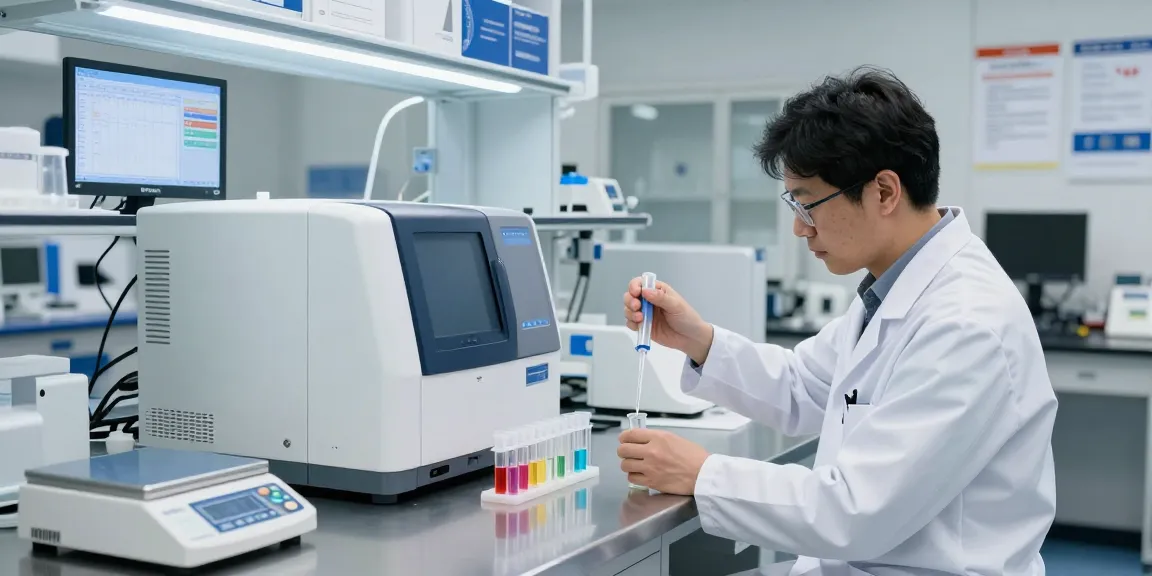
Understanding Peptides: What Are They?
Peptides are short chains of amino acids that play vital roles in various biological functions. They are essentially the building blocks of proteins, and their significance extends beyond simple structures, impacting everything from hormone regulation to muscle growth and recovery. For researchers, the use of peptides is critical in many experimental settings, particularly in biochemistry and pharmacology, where their effect on biological systems can be studied and understood.
Defining Peptides and Their Importance in Research
In research contexts, peptides are particularly valued for their specificity and versatility. They can act as signaling molecules, influencing a variety of physiological processes, and are frequently used in drug development, diagnostic assays, and as therapeutic agents. Their ability to mimic or modify protein functions makes them essential tools for researchers in both academic and clinical settings. As such, the demand for high-quality, reliable peptide sources has risen, with suppliers like peptides canada stepping up to meet this need.
The Process of Synthesizing Peptides in Canada
The synthesis of peptides involves a multi-step chemical process that ensures precise assembly of amino acids in a specific sequence. In Canada, where research standards are stringent, the synthesis of peptides is carried out in controlled environments, ensuring that each batch meets high purity and quality standards. Advanced techniques, such as solid-phase peptide synthesis (SPPS), are commonly employed, allowing for efficient production while minimizing contamination risks.
Benefits of Using High-Quality Peptides in Experiments
- Reproducibility: High-quality peptides ensure consistent results across different experiments, a critical factor for scientific validation.
- Purity: Using peptides with ≥99% purity reduces the likelihood of interference from impurities, leading to more accurate data.
- Traceability: Lot-tested peptides come with Certificates of Analysis (COA) that provide detailed information about the compound's identity and purity, crucial for regulatory compliance.
How Koi Peptides Canada Ensures Quality
Koi Peptides Canada is dedicated to providing high-quality research peptides that are synthesized and lyophilized within Canada. This domestic production not only supports local research communities but also ensures stringent quality controls are applied throughout the production process.
The Role of Certificates of Analysis (COA)
Each batch of peptides produced at Koi Peptides Canada is accompanied by a Certificate of Analysis, which details the peptide’s purity levels, identity confirmation, and endotoxin testing. This COA is crucial for researchers who need to document the quality of their reagents for their studies. Certificates can be easily accessed through product pages, allowing for transparency and trust in the products supplied.
Batch Testing and Its Significance
Batch testing is a vital step in the quality control process, ensuring that each production lot meets the required specifications. Koi Peptides employs independent ISO/IEC 17025-accredited laboratories to perform various tests, such as LC-MS for identity confirmation and HPLC for purity verification. This rigorous testing approach not only enhances product reliability but also boosts researchers' confidence in their findings.
Comparative Purity Standards: Achieving ≥99% Purity
Purity is a critical factor in peptide research, as even minute levels of contaminants can skew experimental outcomes. Koi Peptides Canada guarantees that all their products are synthesized to achieve ≥99% purity, as confirmed by third-party testing. This commitment to quality helps researchers draw accurate conclusions based on their experimental data.
Popular Research Peptides Available in Canada
Several peptides have gained popularity in Canadian research due to their specific applications and beneficial effects. Understanding these peptides can help researchers choose the right ones for their experiments.
Overview of GHK-Cu and Its Applications
GHK-Cu is a copper peptide known for its significant role in tissue repair and skin health. Research indicates that GHK-Cu promotes collagen production, enhances wound healing, and possesses anti-inflammatory properties. As a result, it has become a favored peptide for studies aimed at understanding skin aging and repair mechanisms.
Investigating BPC-157: Benefits and Uses
BPC-157, short for Body Protective Compound-157, is a synthetic peptide derived from a protein found in human gastric juice. It has garnered attention for its healing properties, particularly in the context of injuries. Studies suggest that BPC-157 may accelerate wound healing, support tendon repair, and even positively influence gastrointestinal health, making it an important peptide for researchers focused on regenerative medicine.
Understanding the Role of Peptide Blends in Research
Peptide blends, such as those offered by Koi Peptides, combine multiple peptides to enhance their effects. For instance, blends can be designed to target multiple pathways simultaneously, providing researchers with a more comprehensive approach to studying complex biological processes. The careful formulation and testing of these blends ensure that their composition remains consistent and effective.
Best Practices for Purchasing Peptides in Canada
When purchasing peptides, it is essential to follow best practices to ensure you are obtaining the highest quality products. Here are some tips for sourcing research peptides effectively.
Identifying Reputable Suppliers and Brands
Choosing a reputable supplier is paramount in ensuring product quality. Look for companies that provide detailed COAs, have transparent sourcing practices, and utilize third-party testing. Suppliers like Koi Peptides Canada have established their reputation by adhering to these principles, making them a reliable choice for Canadian researchers.
Understanding Regulatory Compliance for Research Use
Researchers must be aware of the regulatory standards governing the use of peptides in their studies. This includes understanding the requirements for documentation, safety, and ethical considerations associated with peptide research. Companies that comply with these regulations provide an additional layer of assurance regarding their products’ integrity and safety.
Managing Orders and Inventory Effectively
Effective management of peptide inventories is crucial for ongoing research. Ensure that your laboratory maintains accurate records of peptide usage, storage conditions, and expiration dates. Utilizing tracking systems can help streamline the reordering process and prevent potential disruptions to your research workflow.
Future Trends in Peptide Research and Development
The field of peptide research is rapidly evolving, with new discoveries shaping future applications. As we approach 2026, several trends are emerging that will likely influence the landscape of peptide science.
Emerging Peptides: What to Expect in 2026
As research progresses, novel peptides are likely to emerge, offering new therapeutic avenues. The incorporation of artificial intelligence in peptide design could lead to the discovery of unique sequences with enhanced biological activity, opening doors to novel treatments and drug development.
The Growing Demand for Custom Peptide Solutions
The need for custom peptides has been on the rise, driven by the specificity required in many research applications. Suppliers who can offer tailored solutions will be in high demand, enabling researchers to acquire peptides that align perfectly with their experimental needs.
Predictions for Regulatory Changes and Market Dynamics
As peptide applications expand, so too will the regulatory framework governing their use. Researchers should stay informed about potential changes in regulations that may arise, ensuring compliance and safety in their studies. Furthermore, market dynamics will continue to shift as competition increases among suppliers, leading to innovations in peptide synthesis and quality assurance.
What are the main benefits of using peptides in research?
The benefits of using peptides in research include high specificity, versatility in applications, and the ability to create sophisticated experimental models. These qualities make peptides invaluable in the study of biological processes and the development of therapeutics.
How does Koi Peptides Canada ensure the quality of their products?
Koi Peptides Canada ensures product quality through rigorous batch testing, providing Certificates of Analysis for every lot, and maintaining high purity standards. Their commitment to transparency and reliability makes them a trusted source for researchers.
What are the most popular peptides among Canadian researchers?
Among the most sought-after peptides are GHK-Cu and BPC-157, both recognized for their unique properties and applications in research. These peptides are frequently utilized in studies related to healing and tissue regeneration.
How should I choose a supplier for peptides?
Selecting a supplier requires careful consideration of their reputability, testing standards, and the availability of comprehensive documentation like Certificates of Analysis. It is essential to choose a supplier with a proven track record in the research community.
Where do I find the latest information on peptide research trends?
Staying updated on peptide research trends can be achieved through scientific journals, conferences, and reputable online resources. Engaging with professional networks also provides insights into emerging developments in the field.